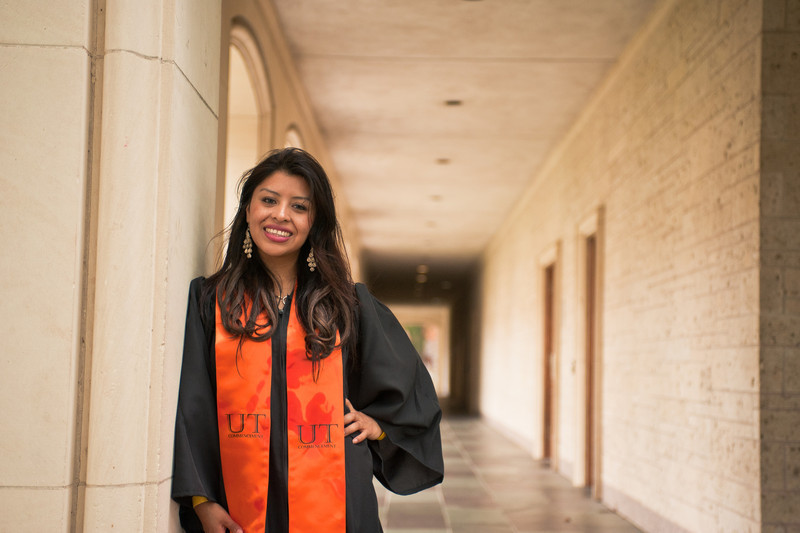

My studies in International Relations and Global Studies taught me about war, displacement, and U.S. foreign policy; my family’s experiences taught me their human cost. For decades, United States intervention in Latin America has shaped the political and social conditions of the region, often with devastating consequences. In Guatemala, U.S. involvement played a decisive role in destabilizing democratic institutions, most notably through the 1954 CIA-backed coup against President Jacobo Árbenz, whose agrarian reforms threatened U.S. corporate and geopolitical interests. That intervention laid the groundwork for a prolonged civil war and decades of militarization, violence, and systemic repression, particularly against Indigenous communities.
The Guatemalan civil war, which lasted from 1960 to 1996, was marked by widespread human rights violations, including forced disappearances, massacres, and the criminalization of land defense. My grandparents were directly affected by this violence. Because they defended their land and aided Indigenous communities fighting to protect their ancestral territories, they were persecuted and forced to go into hiding.
As a child, I was exposed early to the realities of this war. I remember visiting my aunt, whose son had been disappeared while on his way home. His absence was a constant presence in our family, a quiet but devastating reminder of the thousands who were taken and never returned. I also carry vivid memories of one night when armed forces and guerrilla fighters filled the streets near our home. My mother, fearing for our lives, had us hide under our beds and secure the doors. These were not drills or distant stories; they were survival strategies taught to children.
The violence affected my family across generations. As a child, my father was forcibly taken and made to serve in the armed forces. The trauma he endured left him with severe post-traumatic stress, which later manifested in alcoholism and violence; that unresolved trauma fractured our family and ultimately forced us to separate from him. Later, my mother was forced to serve in the military reserve, leaving us children alone for long periods. As the oldest, I became responsible for taking care of my siblings, learning responsibility and survival far earlier than any child should. Poverty followed, and eventually, so did displacement. Our migration to the United States was not a choice made lightly; it was a life-risk and an act of survival shaped by forces far beyond our control.
My family’s history reflects a broader pattern in which foreign intervention, militarization, and resource extraction produce long-term social and psychological harm. These policies do not end when conflicts officially conclude; their consequences persist across generations. Migration, in this context, is not an isolated phenomenon, but the direct outcome of historical decisions that destabilized communities and stripped people of safety and opportunity. To blame immigrants for seeking refuge while ignoring the role of U.S. foreign policy in creating these conditions is to erase both history and human cost.
 Welcome to Edilsa's website!
Leave a comment