
Some dreams feel impossible, especially when you grow up without parents, without money, and without knowing where your next meal will come from.
I grew up very poor as the oldest of four siblings; responsibility came early. Childhood looked different for me. My focus was not only survival—it was helping my younger siblings survive too. We grew up picking coffee and hiding bananas just to eat.
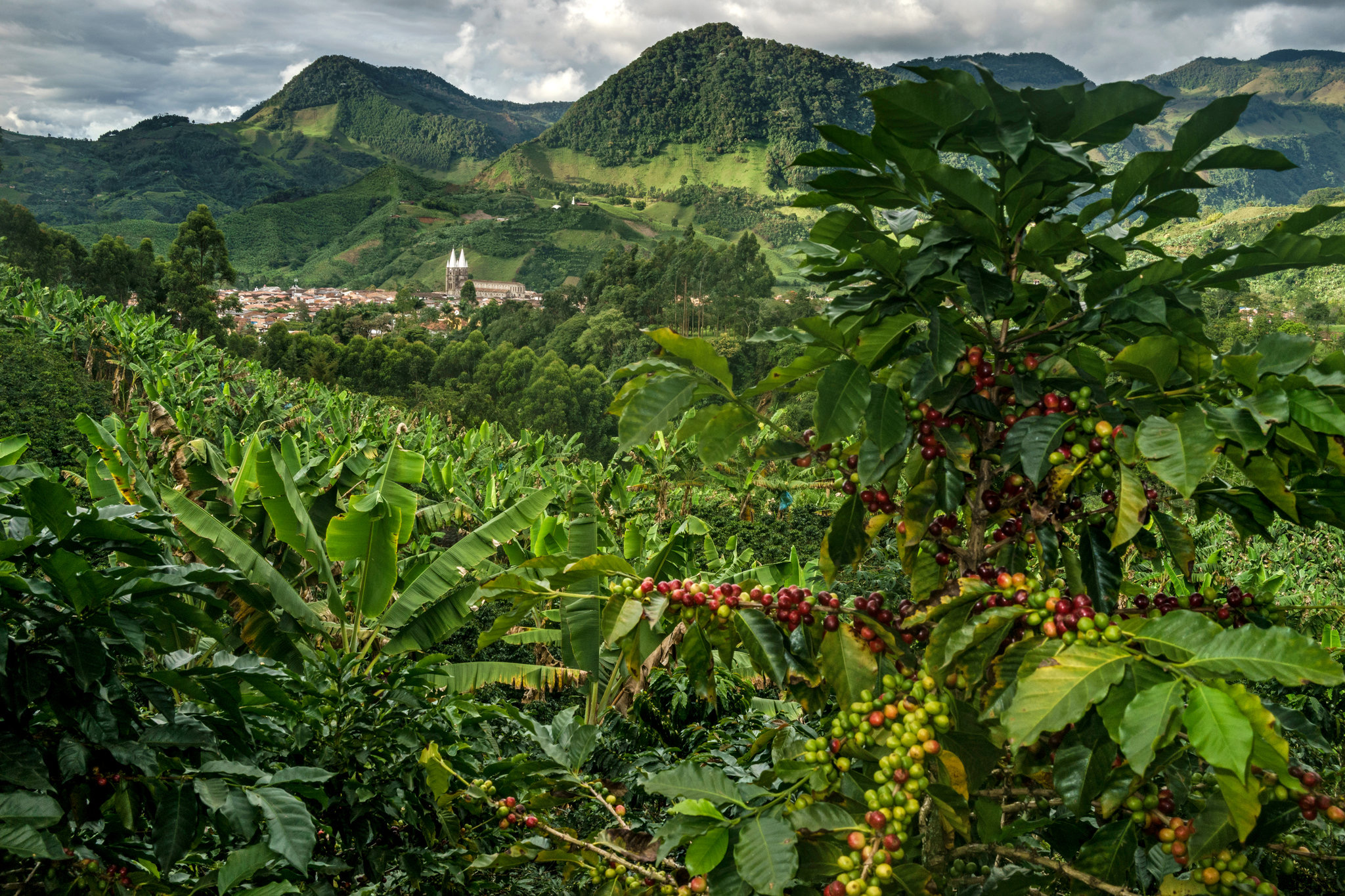
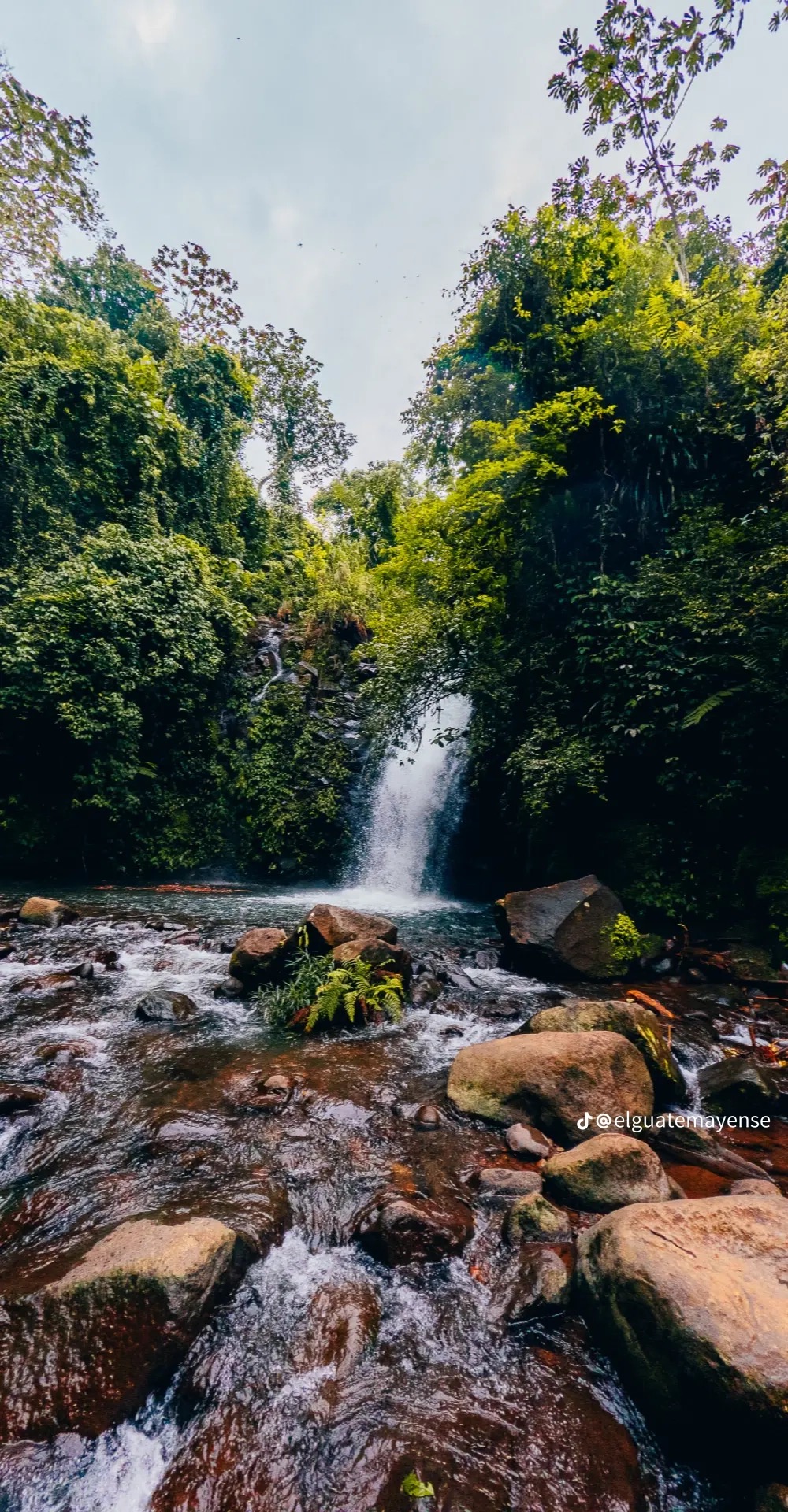
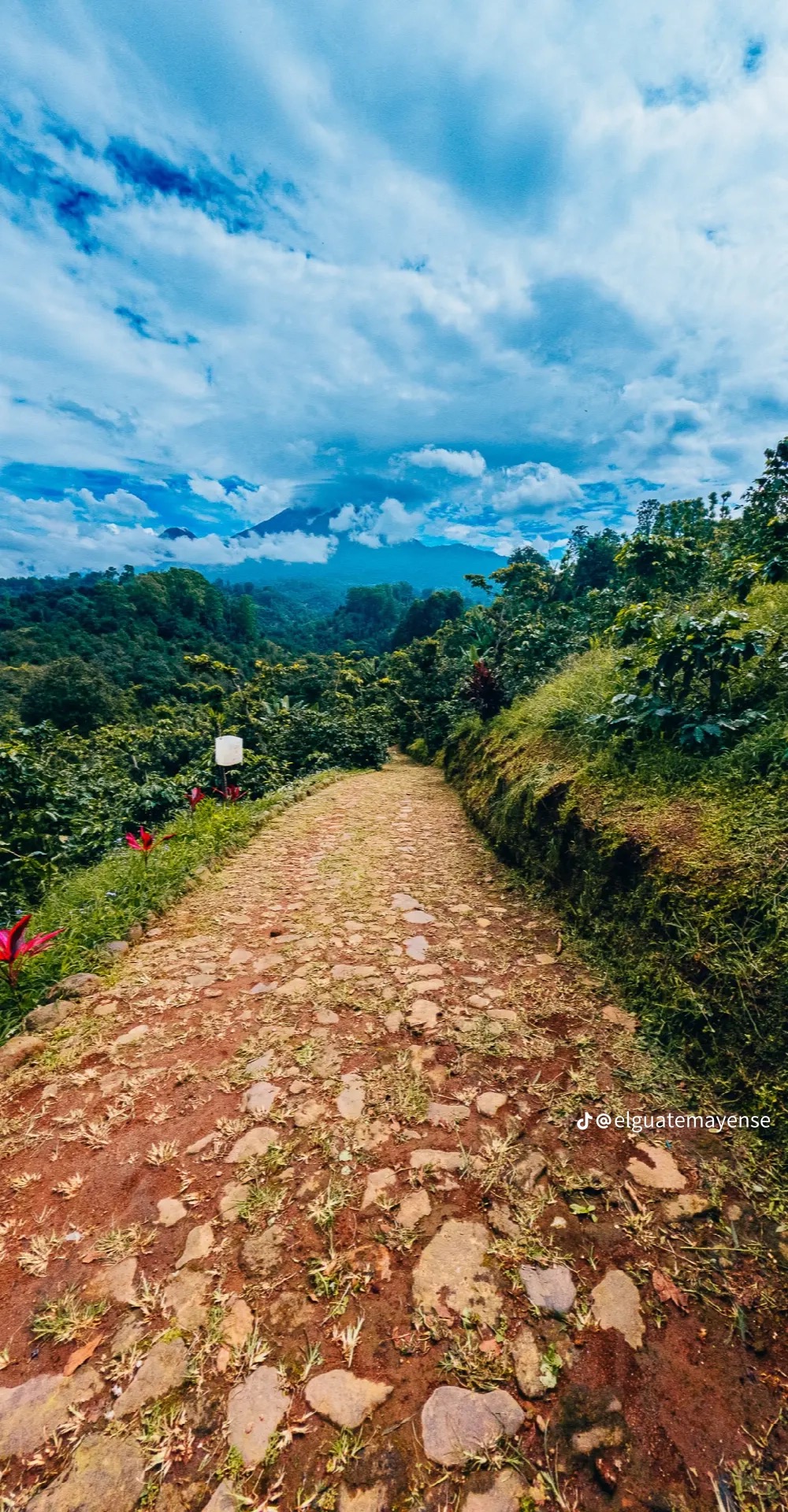
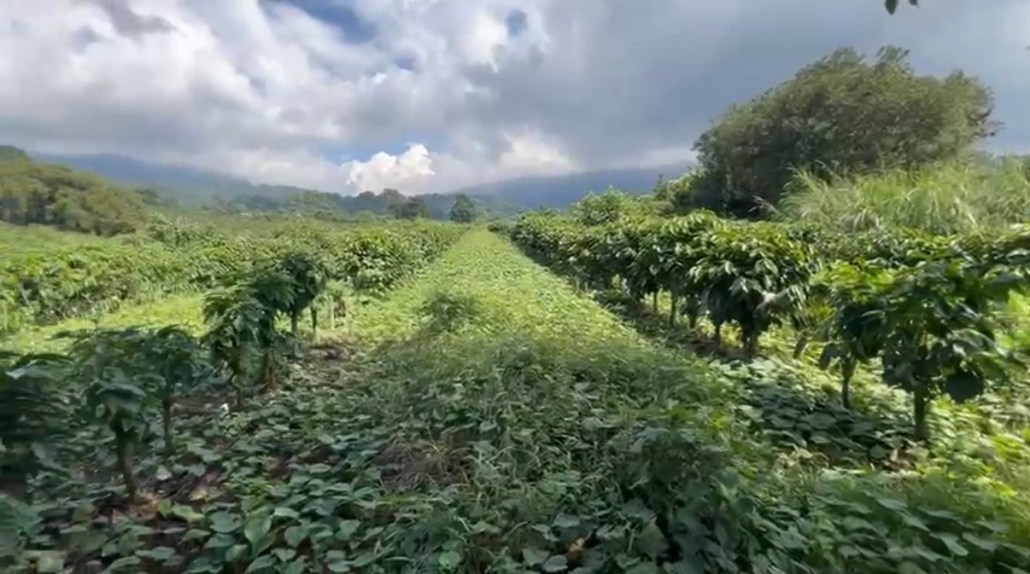
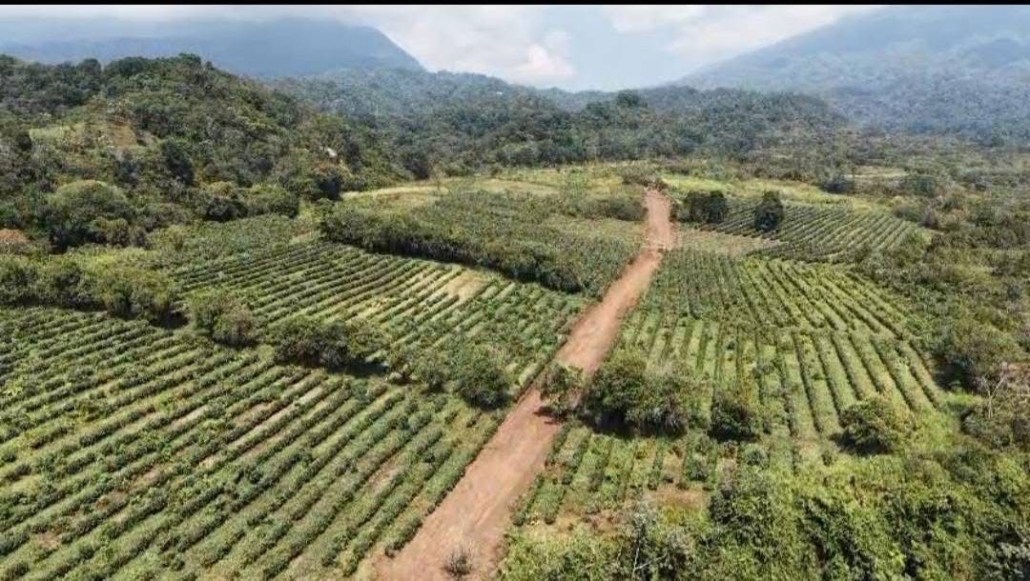
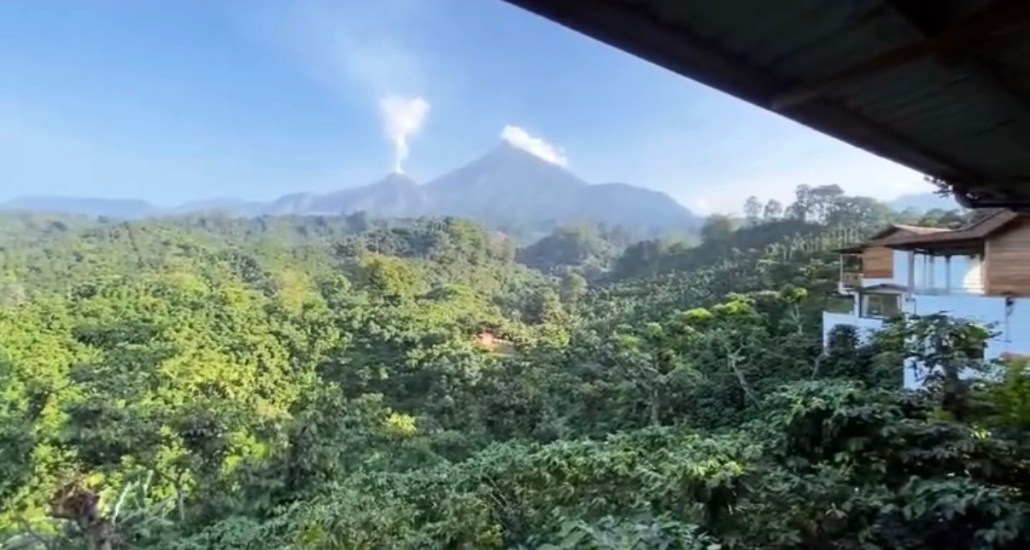
We lived in a small mountain town known for its coffee production, and the land itself was breathtaking. Cold mountain streams ran through the valleys; their sound echoed through the hills. Flowers grew everywhere, and volcanoes stood tall in the distance, watching over the mountains like quiet giants. Banana trees, fruit trees, and coffee plants covered the hillsides. The land was alive, and it still is—but none of it belonged to us.
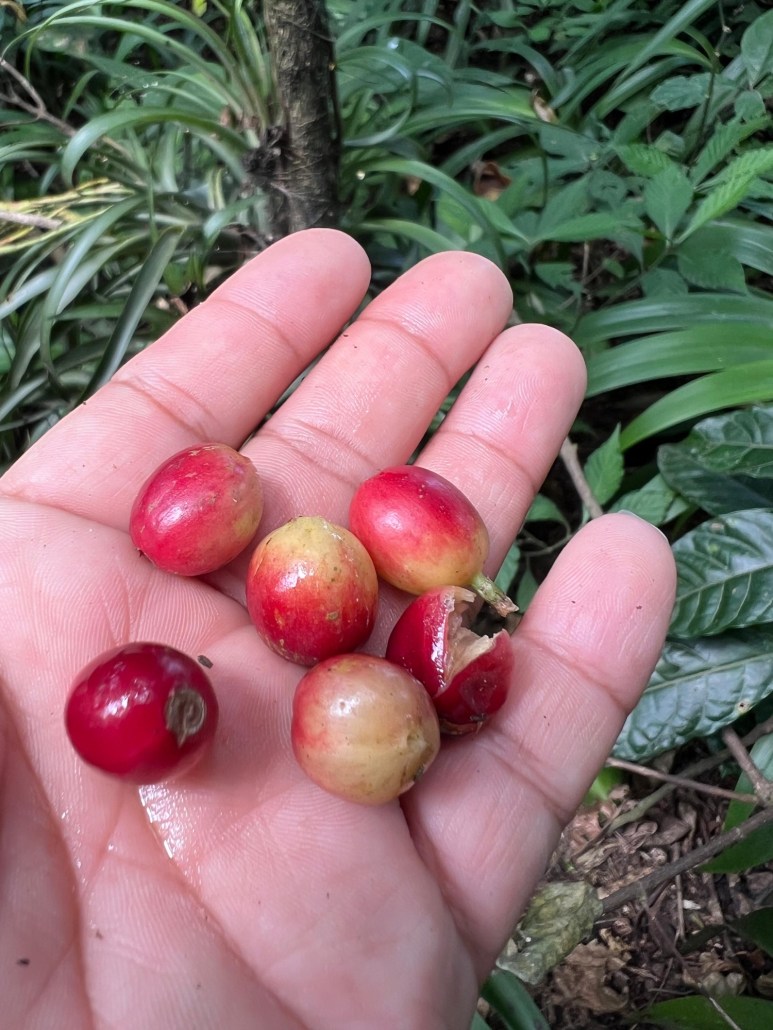
The mountains were dotted with large fincas, coffee farms owned by wealthy landowners and corporations we never even saw. The people who owned the land rarely lived there; the people who worked it were families like ours. By five o’clock in the morning, workers were already in the fields, picking coffee cherries until the sun went down around six in the evening. For a full day of labor, the pay was about forty-five quetzales, roughly six or seven dollars.
I learned to pick coffee when I was very young. My days were spent moving through rows of coffee plants, picking cherries, walking mile after mile, and discovering the rhythms and secrets of coffee production that would shape my life. The farms produced enormous amounts of coffee for companies far away, yet the people doing the work remained poor.
Even with the hardship, we felt a strange kind of freedom. We climbed trees, swam in cold mountain streams, and ran through endless coffee fields. The sound of water flowing through the mountains is something I can still hear if I close my eyes.
you see, when you grow up poor, some dreams feel out of reach: owning land, owning a coffee farm. Those things seemed reserved for wealthy landowners, not for people like me. At least that is what it seemed.
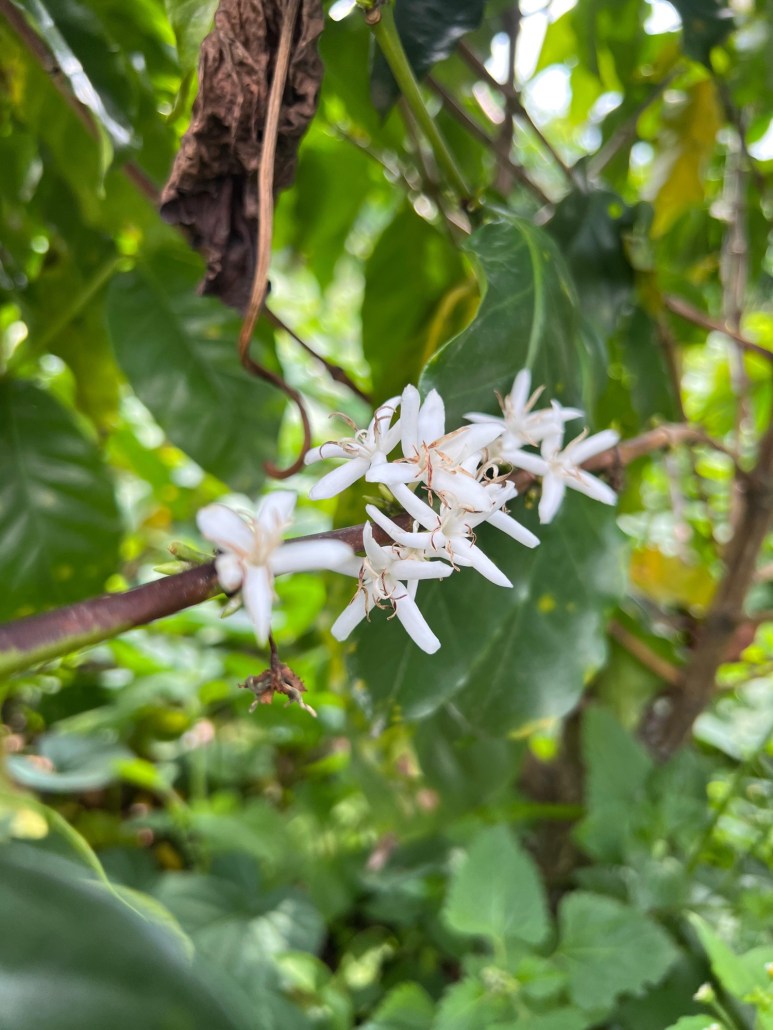
However, today that impossible dream has become real. I am now the owner of my own private cafetal, a coffee farm. Even writing those words still feels surreal. The same kind of land where I once worked as a child, the same fields where I once picked coffee simply to survive, now belong to me.
It did not happen without sacrifice, but this moment means much more than ownership. My dream is not simply to grow coffee; it is to create opportunity. I want this land to provide jobs for people who need them most—the same kinds of families I grew up around: hardworking people who deserve dignity and fair pay.
This land is also deeply personal. Growing up, my family never had a home of our own. We moved often and survived wherever we could. Now I plan to build a mountain house here, a place where my family can finally have something that is truly ours and where we can host loved ones, sharing a good cup of coffee surrounded by the mountains, waterfalls, rivers, and coffee fields that raised me.
This is only the beginning. One day I hope to produce my own coffee brand and open a coffee shop: coffee that carries a story.

 Welcome to Edilsa's website!
Leave a comment